On the 30th anniversary of the establishment of diplomatic relations between Azerbaijan and Uzbekistan, cooperation between the two countries stands out as a model of strategic depth, economic vitality and a shared vision of regional integration. In an exclusive interview with Caliber.Az, Dr. Ranokhon Tursunova, Professor of Political Science at the University of World Economy and Diplomacy in Tashkent, spoke about the features of the bilateral partnership, existing cooperation in the fields of energy, transportation and logistics, and future initiatives shaping the relationship between Baku and Tashkent.
Relations between Baku and Tashkent are excellent
Tursunova said that in recent years, Azerbaijan-Uzbek relations have shown a special dynamic that distinguishes them from Azerbaijan's relations with the rest of Central Asia. She highlighted several key features:
A pragmatic foreign policy: Both countries are secular states with a multidirectional approach that avoids dependence on a single power center. They also adopt convergent positions on issues of sovereignty and non-interference, which is consistent with their active role in organizations such as the United Nations, the Organization of Islamic Cooperation, and especially the Organization of Turkish States, where they push the concept of the "Turkish world."
Accelerated economic cooperation: Their economic cooperation, especially in the fields of energy and transportation, is progressing faster than the rest of the region. Tashkent is very interested in the Trans-Caspian Corridor/Middle Corridor through Azerbaijan to reach European markets. Both countries are also investing in each other's infrastructure projects: Uzbekistan in the Karabakh region and Azerbaijan in the Uzbek logistics sector.
A shared Turkish identity: The frequency of reciprocal visits between leaders and the constant emphasis on shared Turkish cultural and historical ties reinforces the specialness of this relationship.
Relations with the rest of Central Asia have less momentum: Kazakhstan is important to Azerbaijan, but does not enjoy the same level of political trust with Tashkent, and Kyrgyzstan and Tajikistan carry less economic and logistical weight.
"Turkmenistan tends to be isolationist, although it is involved in some energy and logistics projects," she said.
Collaboration Trends 2024-2025
Tursunova noted that cooperation in recent years has been diverse and has yielded tangible results, especially in:
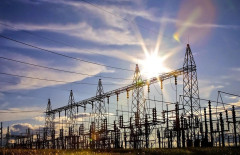
Energy: Uzbekistan and SOCAR signed a production sharing agreement for exploration and production in the Ust-Yurt region. A 2023-2025 roadmap for cooperation in the areas of exploration, production, energy efficiency and electricity sector reform has also been prepared.
Transportation and logistics: Agreement to manufacture ferries for Uzbekistan with USD 150 million in funding, logistics warehouses, and joint projects to develop the Central Corridor. Transportation corridors across the Caspian Sea are also being developed in cooperation with Turkmenistan.
Investment and industry: Promote the creation of joint ventures and exchange of technological expertise, with the participation of Azerbaijani companies in Uzbekistan's infrastructure and energy sector.
Renewable energy: Azerbaijan, Uzbekistan and Kazakhstan have signed a strategic partnership agreement for the development and exchange of green energy, including wind, solar and water projects, as well as energy storage facilities.
The common goal is to reduce geopolitical risks associated with energy and transportation, diversify exports, capitalize on the environmental agenda and Europe's growing interest in clean energy, and develop infrastructure to reduce the cost and time of moving goods.
The most promising sectors for the future
According to Tursunova, the two countries have the potential to expand cooperation in several sectors, the most important of which are:
Geographical location: Azerbaijan is a gateway to Georgia, Turkey and Europe, while Uzbekistan is a huge market and a regional energy and logistics center.
Energy: Uzbekistan is rich in renewable energy sources, while Azerbaijan has extensive experience in gas and oil projects and intercontinental infrastructure.
Industry and technology: Establishing joint industrial ventures will contribute to technology sharing and job creation.
Conclusion
Tursunova concluded that the coming years will see accelerated cooperation between Baku and Tashkent, based on major infrastructure and energy projects, with a focus on sustainability, enhanced transportation and energy independence, and access to global markets.






comments