In 2025, the global clean energy transition accelerated at an unprecedented pace, driven by falling prices, subsidy reforms, and expanding investments in renewable energy sources. However, these gains have come at the expense of one of the pillars of the global energy system's balance: Energy security, which remains structurally weak and increasingly challenged. This growing gap presents policymakers with a complex equation that requires a three-pronged approach: Justice, sustainability, and security.
I. Significant improvement in energy equity and sustainability
The World Economic Forum's Energy Transition Index (ETI) is improving year-on-year by 1.1%, the fastest pace since before the coronavirus pandemic. This improvement is mainly due to:
Energy equity increased by 2.2% as a result of lower prices and subsidy structure, expanding energy access in the Global South, most notably Nigeria, which jumped from 109th in 2016 to 61st in 2025.
Sustainability improved by 1.2% as emissions intensity declined and the share of clean energy globally increased to 14.8%. China, for example, made it into the top 12 countries in the index, thanks to massive investments in solar, wind, and electric vehicles.
II: Energy Security The weakest link
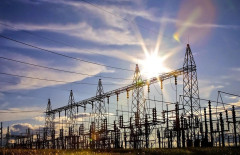
Despite this progress, energy security gains remain very limited, with annual improvement of only 0.4%, according to the Forum's report. Structural weaknesses include: Over-reliance on fossil fuel imports, and inflexible and unmodernized electricity grids, which hinder the integration of renewable sources.
Energy demand will grow by 2.2% in 2024, driven by the growth of AI-driven data centers and increasing cooling needs amid record heat waves.
Less than 30% of countries have made parallel progress in the three dimensions of transformation: Justice, Security, and Sustainability. This opens the door to potential energy crises in regions unprepared to withstand shocks.
III: Infrastructure Readiness and Organizational Gap
While the overall performance of energy systems has improved, transitional readiness - which includes the regulatory environment, innovation, and investments - continues to lag behind, with growth of only 0.8%. Factors hindering readiness include:
Financial market volatility and increased defense spending are negatively impacting the flow of green investments.
90% of clean energy funding in 2024 went to advanced economies and China, while developing countries such as India and Nigeria saw their share decline despite their growing needs.
IV: Geopolitical and Economic Risks
The data suggests that the energy transition is closely linked to the determinants of national security and economic competitiveness. Threats include:
U.S. protectionist policies and tariffs that disrupt supply chains.
Lack of global coordination in supporting smart grid infrastructure.
Increasing reliance on digital networks that are vulnerable to cyberattacks.
V: Strategic Recommendations for Decision Makers
Based on the current data and challenges, we propose a set of priorities for national and regional decision-making centers:
1 - Develop a resilient infrastructure: Modernize power grids, expand storage options, and incorporate digital systems to manage load.
2. Fair distribution of investments: Catalyze partnerships with financial institutions to ensure financing reaches developing countries.
3 - Strengthening energy cybersecurity: Especially with the growth of smart grids and digital meters.
4. Monitor data centers: Establish regulatory policies for the energy consumed by AI and cloud computing.
5. Strengthen regional cooperation: Develop regional energy alliances to share capacities and increase efficiency, especially in times of crisis.
Conclusion
The World Economic Forum's 2025 report reflects a historic opportunity to accelerate the energy transition, but without addressing the security gaps in the system, current achievements are vulnerable to collapse at any moment. The next phase requires long-term strategic thinking that integrates security and sustainability into the same equation and reshapes international cooperation to ensure a just and secure transition for all.



comments