In the past three and a half years, the Taliban have exerted widespread pressure on religious minorities in Afghanistan. The group has forcibly converted some Ismailis and Twelver Shiites in the northeastern province of Badakhshan.
"Recently, the Taliban forced at least 80 residents of Badakhshan to convert," the Afghan newspaper Hecht Sobh reported, citing access to information confirming that "recently, the Taliban forced at least 80 residents of Badakhshan to change their faith."
According to informed Afghan sources who told the agency, "the Taliban forces converts to pronounce the shahada, a procedure usually applied to those who convert to Islam from other religions."
Sources also reported that the Taliban began this procedure from the first day they took control of Afghanistan, and now, in order to divert attention from internal tensions, they have begun to highlight these practices in the media.
"This measure has deepened the gap between religious minorities and the Taliban regime and has caused enormous psychological and social pressure on members of these religious communities, and many Ismailis are concerned that this policy will become a systematic approach, posing a serious threat to their religious beliefs and identity," the sources said.
Forcing residents to convert
A former Afghan government official from Badakhshan province said, "Juma Khan Fateh, the Taliban governor of Nasi Darwaz district, forced at least 50 men from the Ismaili and Twelver Shia communities to forcibly convert."
According to Taliban statements in the area, they were "converted to Islam," and just two days ago, another 25 people were forced to convert.
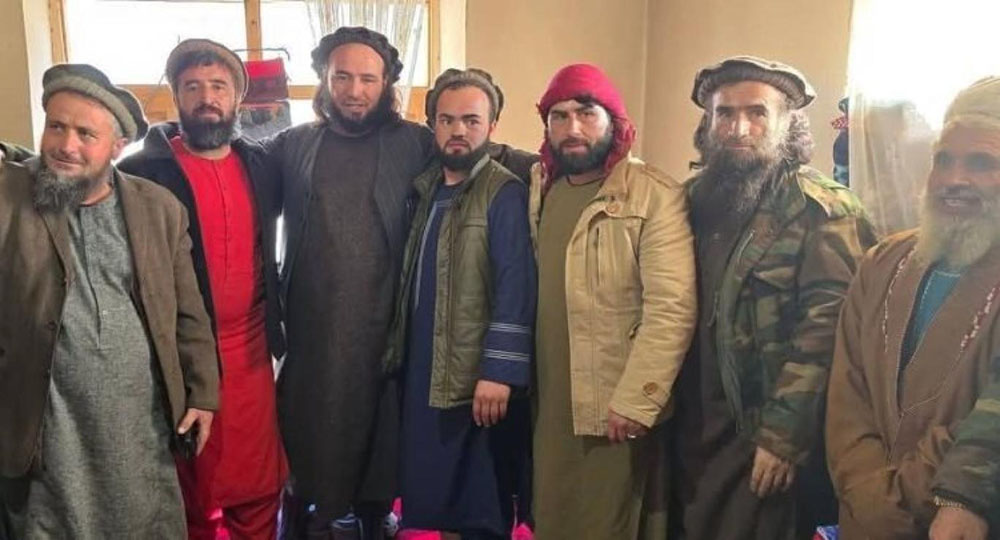
"The Taliban commander described Ismailis in the areas of Chagnan, Ashkashim, Yimgan and Zebak as 'infidels,'" the official said, threatening them to change their faith quickly.
"At least 80 Ismailis, including women and children, were forced to convert at gunpoint by Juma Khan Fateh gunmen," he said.
Video recordings and confessions
In the videos, Taliban fighters can be seen dictating martyrdom to people who are forced to convert. Local sources also reported that Juma Khan Fateh, the Taliban commander in Darwaz Badakhshan, makes nightly tours of villages with his group, with the aim of forcing local residents to convert.
In recent days, the Taliban brought more than 25 Ismailis and Twelver Shiites to the district headquarters and forcibly converted them.
According to a local source, Juma Khan Fateh hosted one of the forced converts and visited the Rawand area where he gave religious sermons at several mosques.
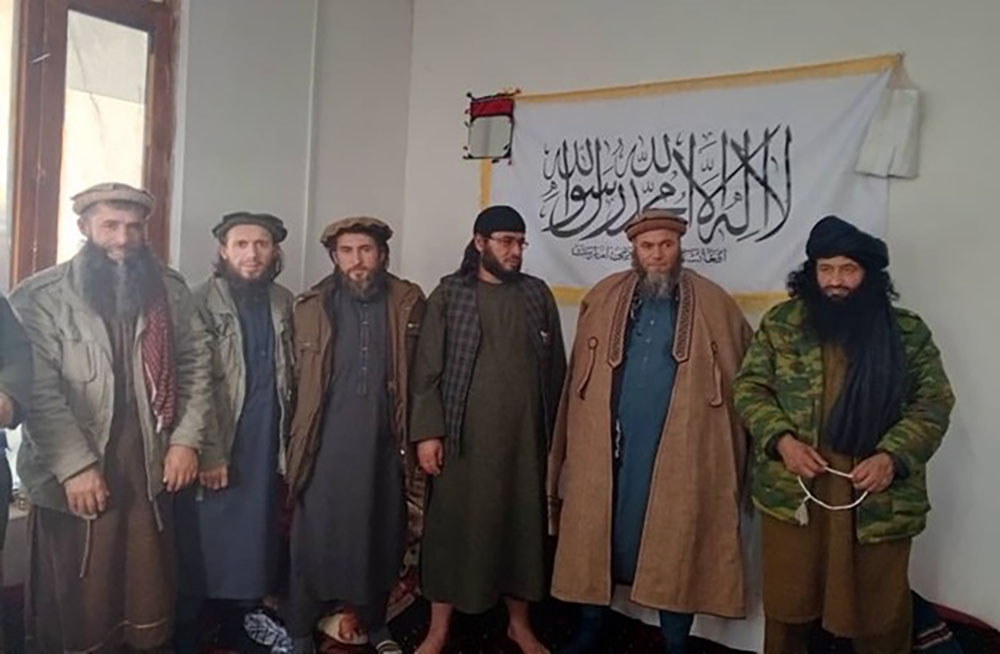
Meanwhile, some Taliban fighters in the Nasi Darwaz region posted photos of people who had been forced to convert, labeling Ismailis and Shiites as "polytheists." They expressed their happiness at being able to force these people to change their faith.
In one Taliban publication, it reads: "Alhamdulillah, thanks to the efforts of the mujahideen in Darwaz and the leadership of Juma Khan Fateh, we were able to invite people to monotheism, and as a result, nearly 50 Ismailis and Twelver Shiites converted to true Islam and left polytheism."
Systematic Coercive Campaign
Badakhshan resident Ali Mahmoudi told Baghdad Today that the Taliban-led forced conversion campaign in Badakhshan's border areas began after the Taliban seized power.
The Taliban used terms such as "monotheism" and "call to Islam" to justify their actions, he said, emphasizing that the Taliban sent preachers to the areas of Shagnan, Ashkasham, Wakhan and some areas of Darwaz, where local residents were forced to convert under threat.
The source also explained that some Ismailis agreed to convert after receiving money, while others were forced to do so at gunpoint. According to the source, about 50 people from the Ismaili and Twelver Shia communities in the Nasi Darwaz area were forced to convert due to pressure from Juma Khan Fateh, the local Taliban commander.
Widespread social and religious influence
Fayaduddin Ghiathi, a former Afghan diplomat and resident of Darwaz, wrote on his Facebook page that the Taliban had launched a propaganda campaign to convert Ismailis in Badakhshan to cover up internal conflicts within the group and divert media discussions.
Earlier, sources confirmed that the Taliban had established dozens of Sunni madrassas in Badakhshan, asking local residents to send their children to be converted.
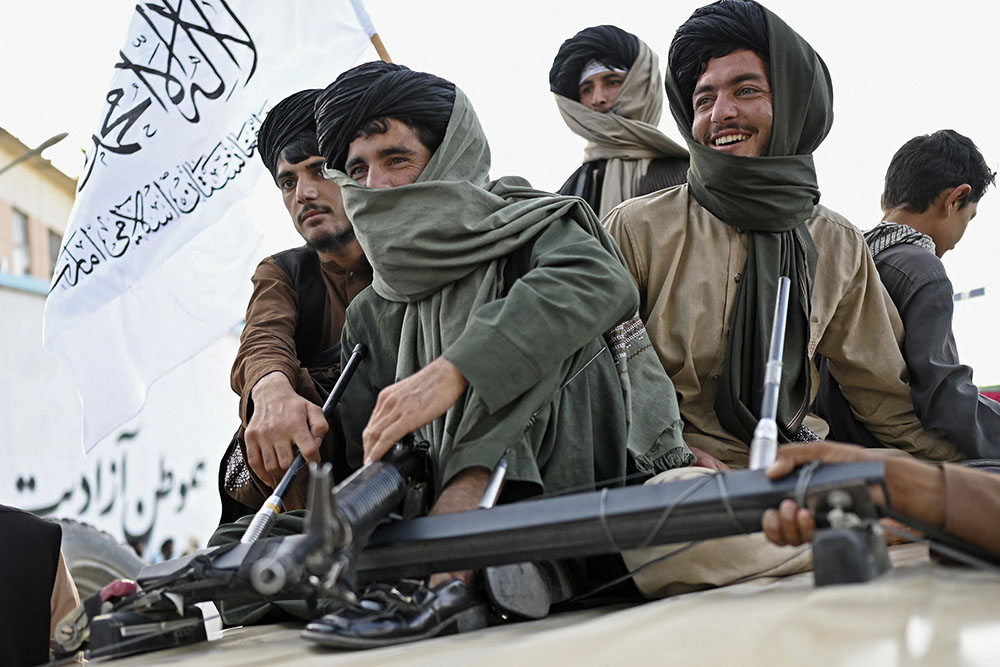
Many Ismailis have expressed deep concern about the way they are treated by the Taliban, where they are viewed with disdain and their beliefs are constantly insulted. Some noted that these policies not only lead to religious repression, but also create deep social and sectarian divisions.
International concerns over religious freedom violations
In a related context, the US State Department released an annual report on "Religious Freedom in the World," in which it emphasized that religious minorities in Afghanistan face widespread discrimination and systematic violence. According to the report, the Taliban has made no efforts to protect places of worship for religious minorities, which has led to the deterioration of religious freedom in the country.







comments