


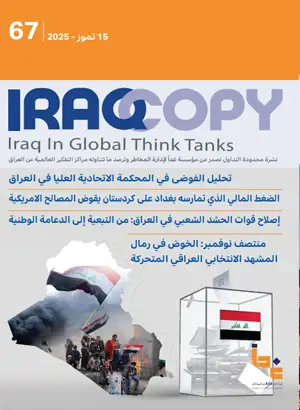

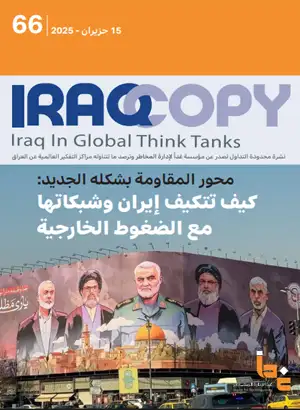
An analytical study issued by the Royal Institute of International Affairs (Chatham House) in London and published by Ghadan's Risk Management in the 66th issue of the IraqCopy analytical bulletin, highlighted that the "axis of resistance" still retains its influence and ability to influence, despite intensive military strikes and increasing Western sanctions.
Study highlights:
The axis has shown a high capacity to adapt to threats, utilizing military, political, economic, and ideological networks embedded in its affiliated regimes.
On the contrary, the Western punitive measures did not dismantle the structure of the axis. On the contrary, they strengthened the attachment of local communities to it, as a result of the increasing reliance on its services and support in light of the declining role of the state.
Western pressure, particularly U.S. economic sanctions, has not had the desired effect, often hurting the population more than the targeted forces.
Chatham House called on Western policymakers to re-evaluate the tools for dealing with the axis, noting the failure of punitive policies to achieve their goals, and warned of their long-term counterproductiveness.
The study comes amid escalating regional tensions, and amid misperceptions - according to the report - that the influence of the Axis of Resistance has declined after the strikes on Gaza, Lebanon and Yemen in recent months.
The report reiterates the importance of a nuanced understanding of the political and social realities within the Axis countries, and calls for avoiding policies that increase the fragility of societies rather than targeting functional structures.
Fill in the fields, and we will contact you to complete the submission process.
comments