The Global Risks Report 2024, published by the World Economic Forum, provides a comprehensive analysis of the evolving global risk landscape, highlighting the critical risks expected in the short and long term. Based on the opinions and research of nearly 1,500 experts from academia, government, business and civil society, the report examines risk across five dimensions: Economic, Environmental, Geopolitical, Societal and Technological.
The main themes and findings of the report:
1. Acceleration of structural forces:
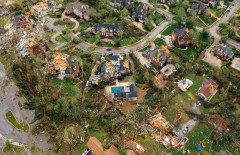
- Climate change: Environmental risks, such as extreme weather events and biodiversity loss, dominate all timeframes. Failure to mitigate climate tipping points could lead to irreversible planetary changes.
- Technological acceleration: Pioneering technologies, especially artificial intelligence, pose dual threats - exacerbating inequality between countries and introducing new risks such as disinformation and cyber insecurity.
- Geostrategic shifts: The erosion of the unipolar system points to a multipolar world characterized by fragmented governance and growing tensions between states.
- The demographic divide: Population growth patterns and aging demographics create distinct economic and social pressures.
2. Top risks over time and range:
- Short-term (2024): Extreme weather events, AI-driven disinformation and societal polarization emerge as critical threats, exacerbated by cost-of-living crises and cyberattacks.
- Medium term (2-10 years): Risks such as economic recession, interstate conflicts and involuntary migration are expected to escalate.
- In the long term (10 years): Challenges include a potential 3°C global warming scenario, entrenched geopolitical divisions, and the negative consequences of unregulated technological power.
3. Disinformation and polarization:
- Disinformation is the number one global risk for 2024, driven by AI-generated content and declining trust in organizations.
- Societal and political polarization amplifies this risk, threatening democratic processes, exacerbating economic inequality, and fostering unrest.
4. Conflict and security:
- Increasing interstate armed conflicts, especially in hotspots such as Ukraine and the war on Gaza, reflect rising geopolitical tensions.
- Technological innovations in artificial intelligence and cyber capabilities increase the risks of uncontrolled proliferation and escalation of accidental conflict.
5. Economic vulnerability:
- Persistent inflation, debt distress, and limited investment in infrastructure pose significant risks, especially for low-income countries that are vulnerable to climate change.
- Economic disparities between the global North and South are expected to deepen, undermining development and governance frameworks.
Risk mitigation strategies:
- Local labor: Strengthening national resilience through investments in infrastructure, organization, and research.
- Collective cooperation: Addressing transnational risks such as climate change and cybersecurity through cross-border cooperation.
- Dynamic governance: Adopting adaptive frameworks that align short-term responses and long-term goals, incorporating the perspectives of diverse stakeholders.
In conclusion, the report emphasizes the urgent need for proactive measures to address interconnected global risks. While the trajectory of these risks highlights systemic fragility, it also presents opportunities for governments, businesses and civil society to collaborate and strengthen resilience. By leveraging collective intelligence and innovative governance, a more sustainable and secure global future can be envisioned.
Read the full report






comments