






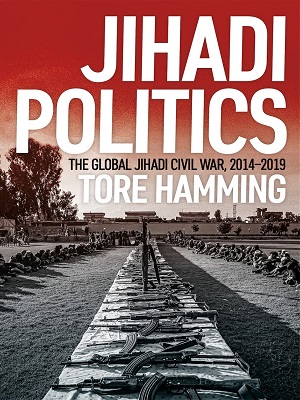


by Tore Hamming
The author explores the internal conflicts and rivalries between global jihadi (extremist) groups during this period. The book focuses on the divisions between the al-Qaeda terrorist organization and the Islamic State (ISIS), and how these divisions affected the jihadist movement in general. Through careful analysis, Hamming provides insights into the internal dynamics and challenges faced by these groups, and how each sought to achieve hegemony and influence in the global jihadist arena.
Chapter 12, "Al-Qaeda and the Syrian Jihad," examines HTS in detail and the complex dynamics of al-Qaeda's involvement in the Syrian conflict. This chapter delves into the strategic decisions the organization made, the internal challenges it faced, and its interactions with other jihadist groups during this period.
Important themes in this chapter: -
1. Al-Qaeda's strategic engagement in Syria:
- The chapter reviews al-Qaeda's decision to participate in the Syrian civil war, focusing on the establishment of Jabhat al-Nusra as its official branch in Syria.
- Analyzes how al-Qaeda is exploiting the Syrian conflict to strengthen its influence and implement its ideological goals.
2. Internal fragmentation and renaming attempts:
- The chapter discusses Jabhat al-Nusra's transformation into Jabhat Fatah al-Sham, and later Hayat Tahrir al-Sham, as a strategy to gain local legitimacy and distance itself from al-Qaeda's global agenda.
- It highlights the internal debates and tensions within al-Qaeda over these shifts and their impact on the organization's cohesion.
3. Competing with ISIS:
- The conflict with the terrorist organization ISIS is a major focus, with a focus on the ideological and operational differences between the two sides.
- The chapter explains how ISIS's aggressive and terrorist expansion and declaration of a caliphate challenged al-Qaeda's authority and led to a major split within the global jihadist movement.
4. Influencing the global jihadist landscape:
- The chapter analyzes the implications of al-Qaeda's involvement in Syria for the broader jihadist movement, particularly with regard to internal conflicts and the emergence of a "jihadist civil war."
- He assesses how these developments have affected the activities of jihadists outside Syria, contributing to increased polarization and fragmentation within militant political Islam.
In this chapter, Hamming draws on meticulous research to provide a comprehensive understanding of the complexities and internal dynamics that shaped al-Qaeda's role in the Syrian jihad, providing valuable insights into the broader implications for global jihadi politics during this tumultuous period.
Fill in the fields, and we will contact you to complete the submission process.
comments